
Finding a new revenue lever for Academia.edu’s core business with an AI grants tool
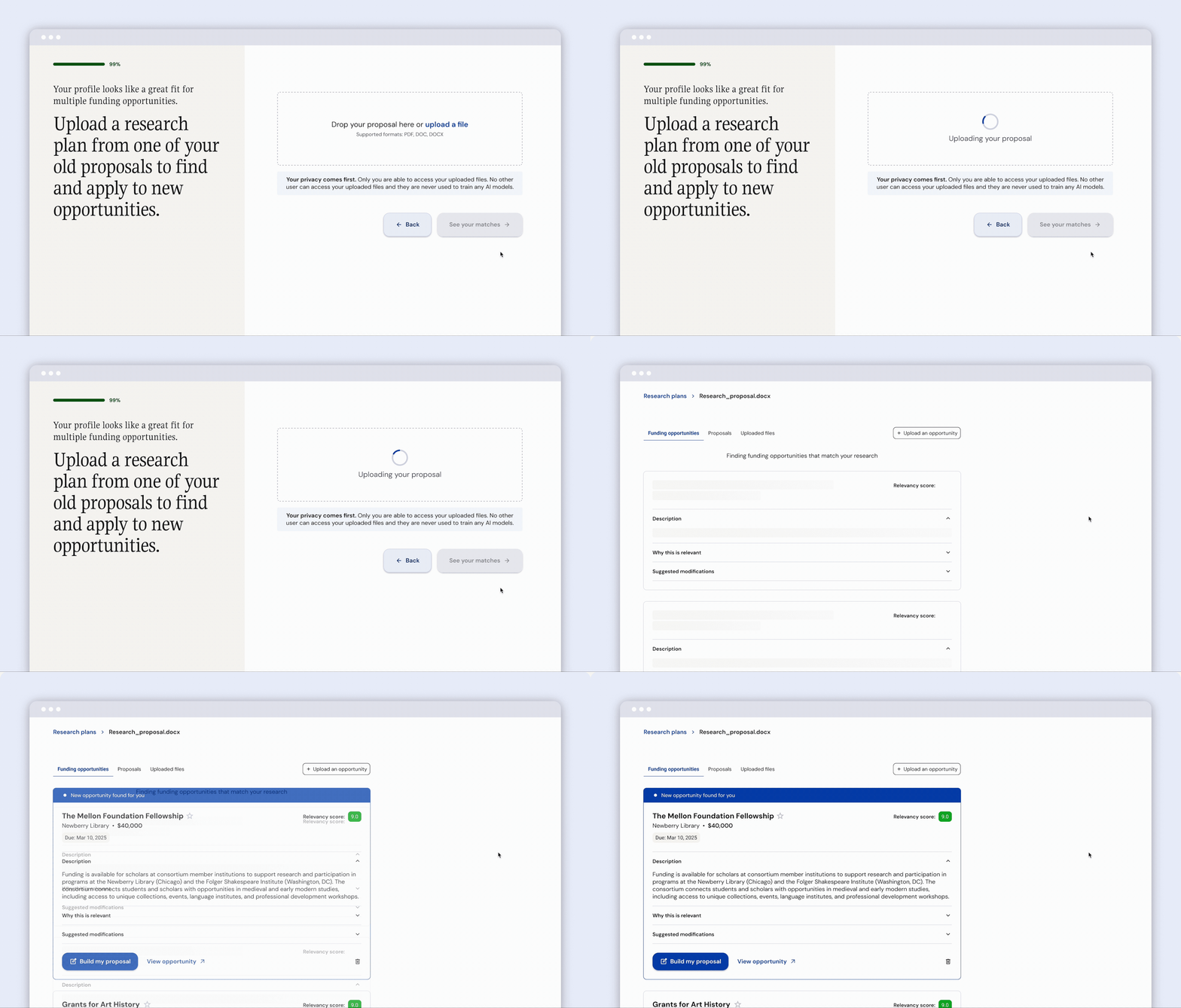
I led design 0-to-1 on a beta AI grants tool with a lean cross-functional team, hitting an 84% PMF score in one quarter.
60-second summary
The problem
The business was looking for new AI-based tools that could reinvigorate Academia’s core subscription business.
Grants AI was one of several 0-1 projects Academia was testing simultaneously during early 2025.
Research funding is a time-intensive responsibility that many Academics struggle to navigate. Grants AI was proposed to explore B2C and B2B solutions.

Key decisions
Grants AI is two tools tackling the full funding lifecycle: discovery and writing. Opportunity Finder matches users’ research with relevant open funding opportunities. Proposal Creator helps to adapt old funding proposals to new opportunities.
We wanted the AI underpinning the experience to feel like magic to users: the ability to take one proposal and turn it into many.
My role
I was the only designer on the small team alongside 1 GM, 3 engineers, and 1 data analyst.
I collaborated closely with engineering to balance speed and feasibility as we maintained quick feedback and iteration cycles.
At this stage, I focused on speed of execution and experimentation over design system consistency. I used what components existed but created new patterns as needed.

Impact
Our goal for the beta was to determine product-market fit. Based on behavioral metrics, learnings gathered from user interviews, and our NPS survey results we successfully demonstrated our users were interested in an AI-powered grant discovery experience.
Engagement with our weekly emails was strong. When surveyed, 84% of users said they would be very disappointed or somewhat disappointed if the tool did not exist.

How Academics apply for grants today
Academics are often responsible for funding all or some portion of their research. The proposal writing process can require 100+ hours of work. Everything from writing to compiling the details needed for the proposal. Then, multiply that by 6*, which is a low-end estimate for how many grants a researcher might need to submit within a year.
*Based on a 2023 GrantStation survey where 64% of respondents applied to 6 or more grants for the previous year

Finding relevant grants
Funding can come from grants offered by Federal, non-profit, or private funders. Finding these grants requires searching a number of individual databases and piecing together other resources like listservs, professional organizations, and word of mouth. In the words of one of our users, “I am always actively looking.”

Writing grant proposals
Applying for a funding opportunity requires a customized proposal that fits unique content and formatting requirements. For each submission, a researcher must source requirements, write the proposal, and supply supplementary information. The proposal writing process is broadly consistent, but requires detailed knowledge at each step.
How the Grants AI tool works
Our Grants AI solution is built as two separate tools.
AI is behind every stage of the tool. It powers the personalized search experience and streamlines the tedious aspects of the proposal writing process.
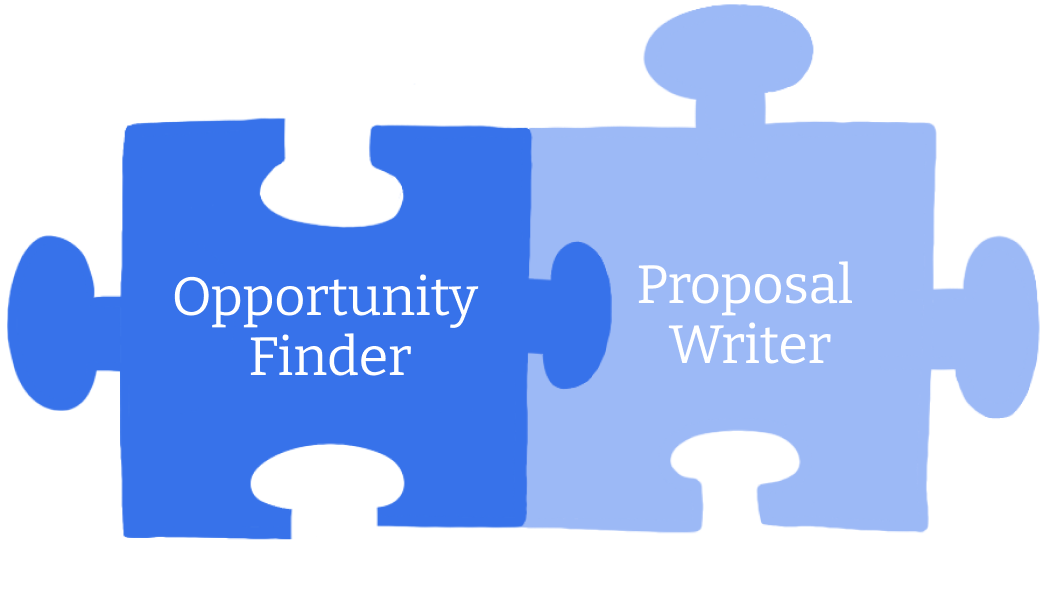
Opportunity Finder helps discover relevant funding opportunities.
Proposal Writer focuses on crafting a perfectly customized proposal.
The MVP Grants AI flow

The tool’s beta focused on creating an MVP end-to-end flow to test product-market fit with Academic users.
When I joined the team, my first task was to audit the proof of concept and propose UX and UI changes to ready it for launch. The proof of concept had been created as part of an earlier AI Hackathon. It was rough and had been built to test the feasibility of the original idea.
The changes I advocated for ranged from aligning components and patterns with our design system to UX improvements such as clearer navigation, more consistent product copy, and the addition of directional and explanatory copy.
Lastly, I incorporated net-new features and functionality important to what we hoped to learn during the beta. We continuously iterated on the tool throughout the quarter as we talked with our beta users and reviewed behavioral and performance metrics.
Onboarding question flow
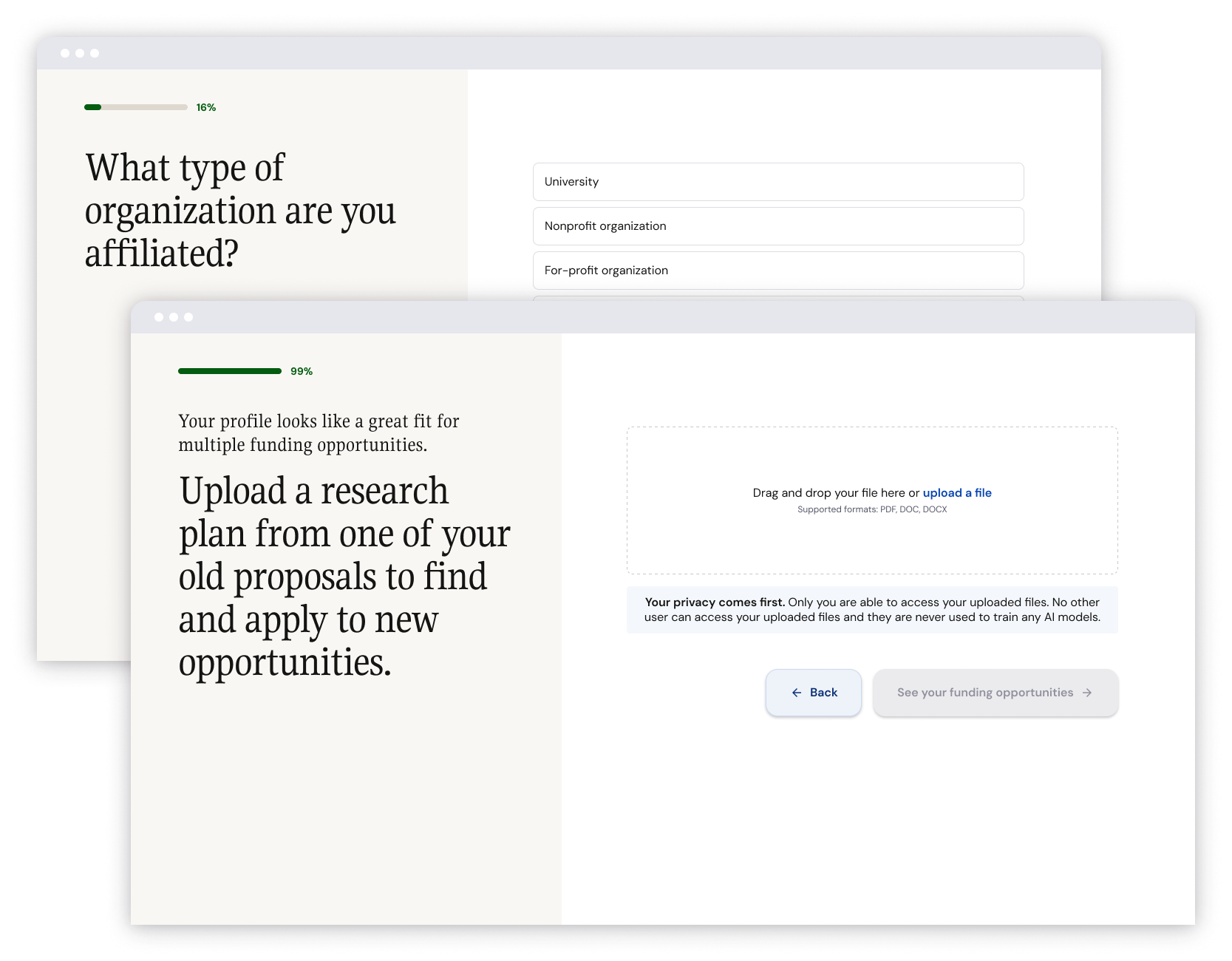
The experience starts with an onboarding question flow. Users are asked basic questions about their role, experience level, and research. Some of these questions are for our own edification, some are used for match searches.
Most importantly, onboarding ends at an upload page where users provide a past research proposal. This uploaded proposal is the basis for the entire experience.
Onboarding did not exist in the original proof of concept. The first iteration featured only one step: uploading the proposal. When presented as a single action, we saw a 59% upload rate. I pushed to make onboarding a multi-step flow. When we changed onboarding to include six questions—upload as the final step—we saw upload rates increase to 91%.
Grant Opportunity Finder
The Grant Opportunity Finder uses a researcher’s uploaded grant proposal to search for matching grant opportunities. Matches are scored based on relevancy. Included for each result is a description, an explanation for why the grant is relevant to their research, and a hint of what modifications would be needed to make their proposal ready for submission.
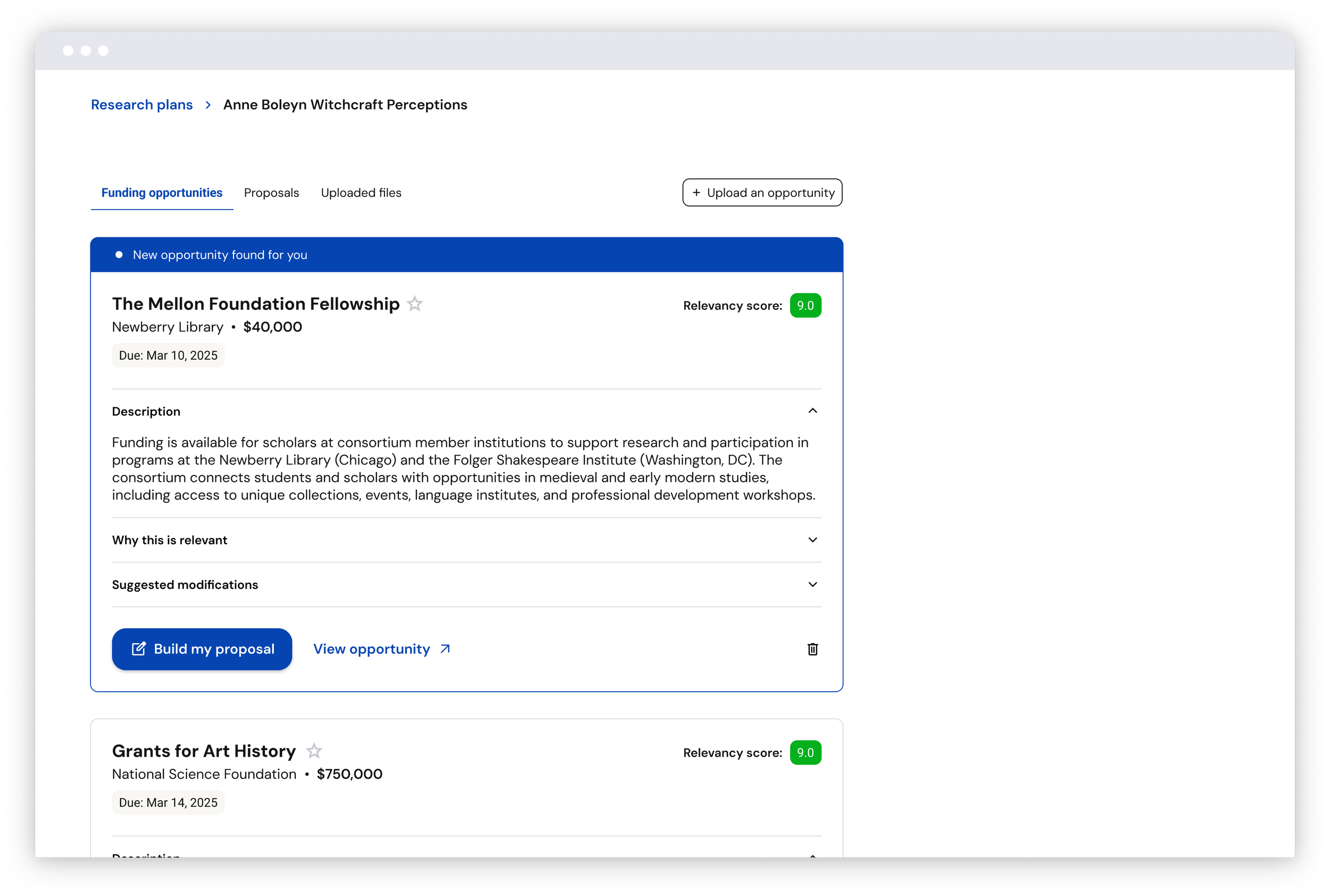
Grant Opportunity Finder MVP
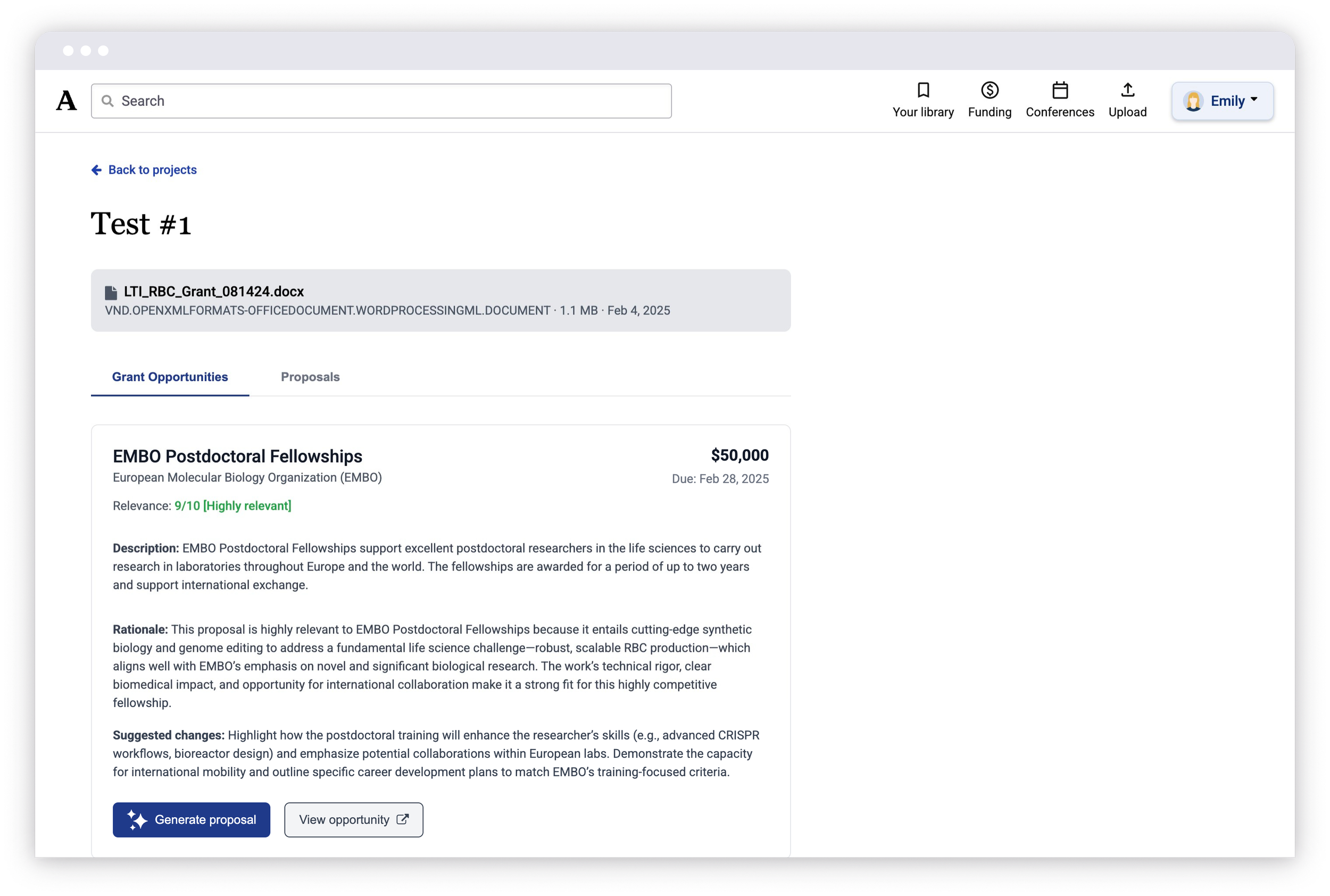
Original results page in proof of concept
Proposal outline
A new grant proposal begins with the outline.
The Grants tool has expertise in what major funders require and understands the requirements for each funding opportunity. Funders can have specific section needs, word count limits, and formatting requirements.
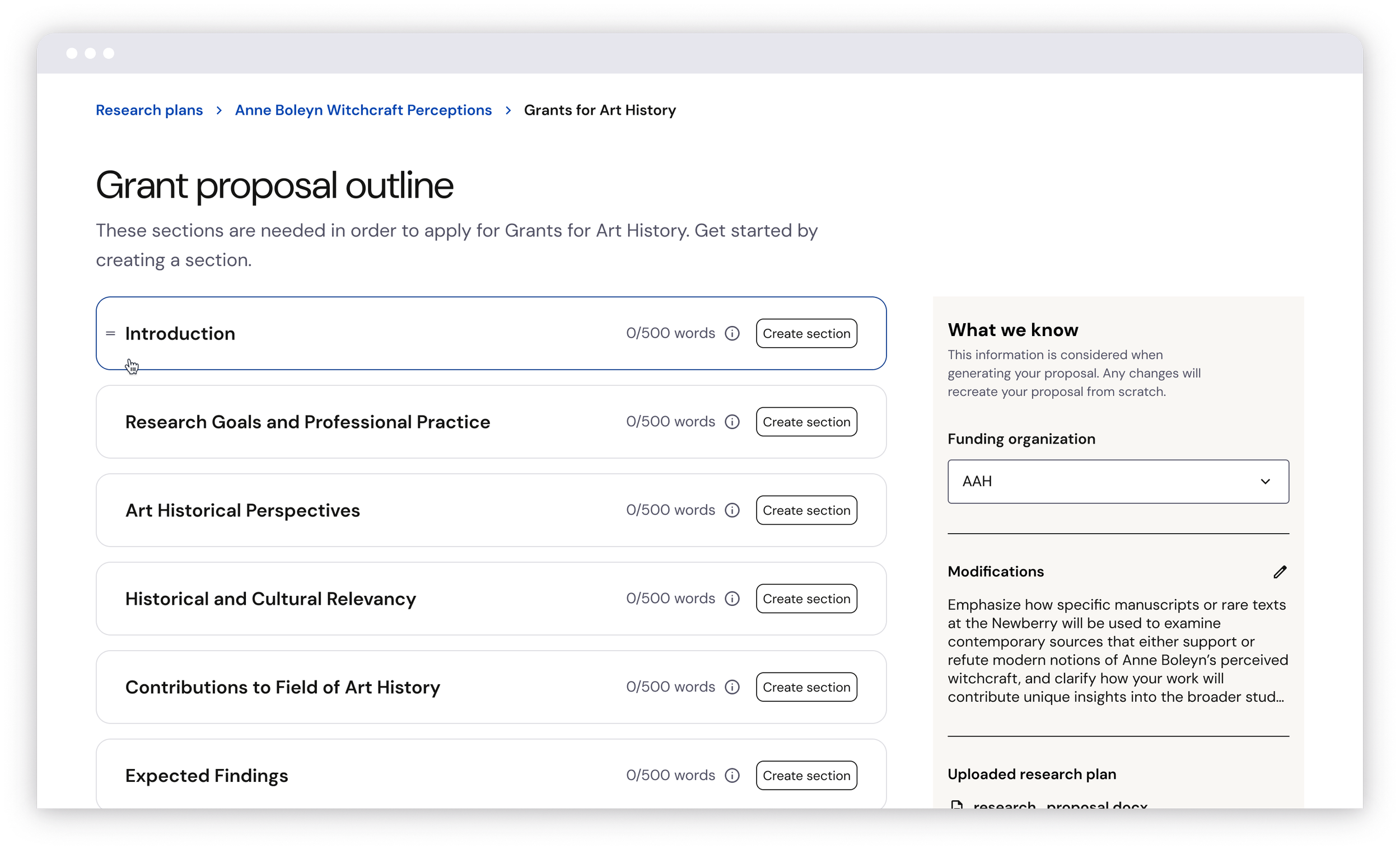
Proposal outline MVP
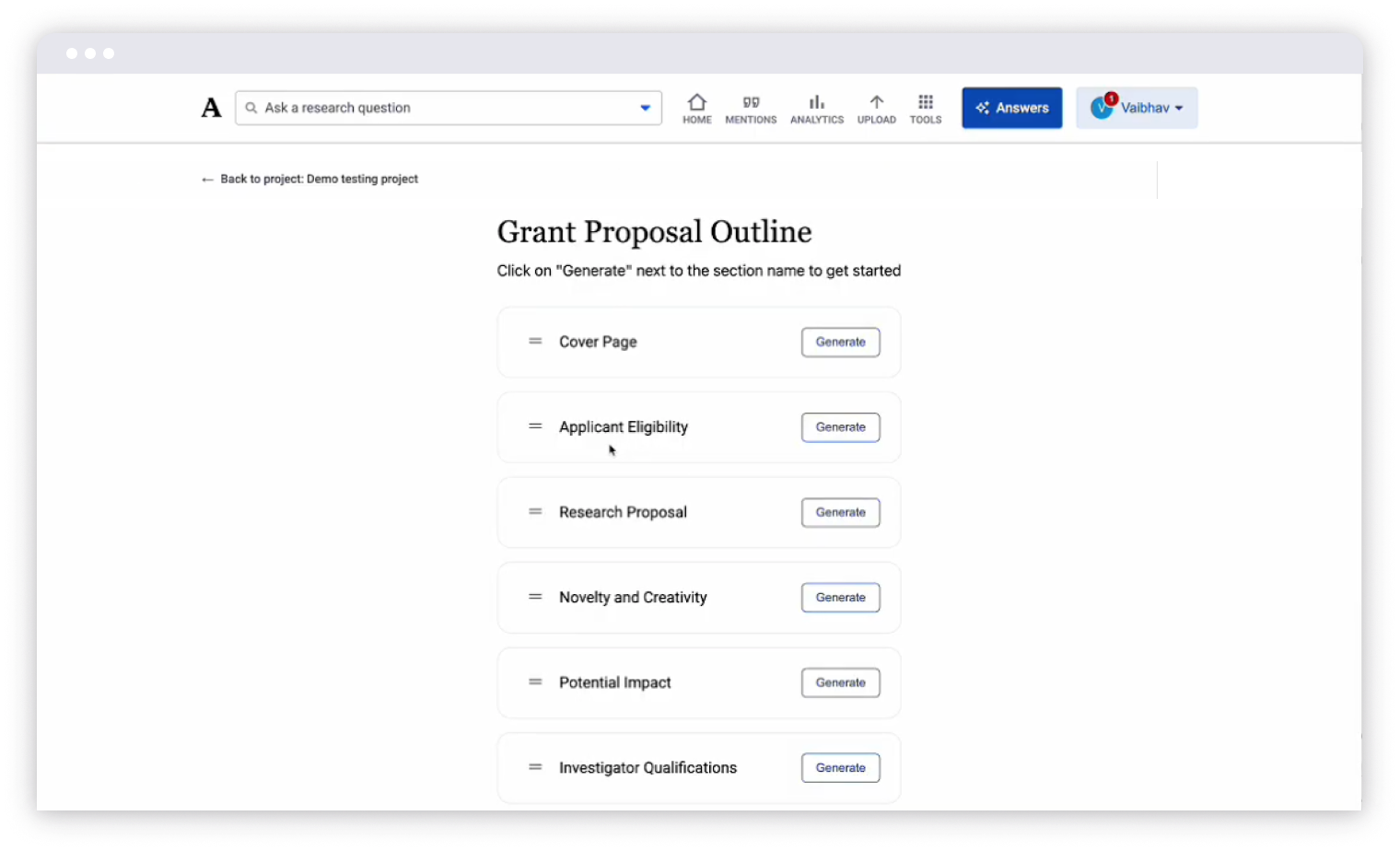
Original outline page in proof of concept
Proposal Writer
All funding proposals require some level of customization. Sometimes the alterations can be small, such as aligning the timeline and scope of work with the particulars of the award. Some funding opportunities dictate a specific methodology or outcome, which requires more substantive rework of the proposal. This is where the Proposal Writer’s value lies: it can help a researcher instantly understand the expected level of modification and generate the corresponding content.
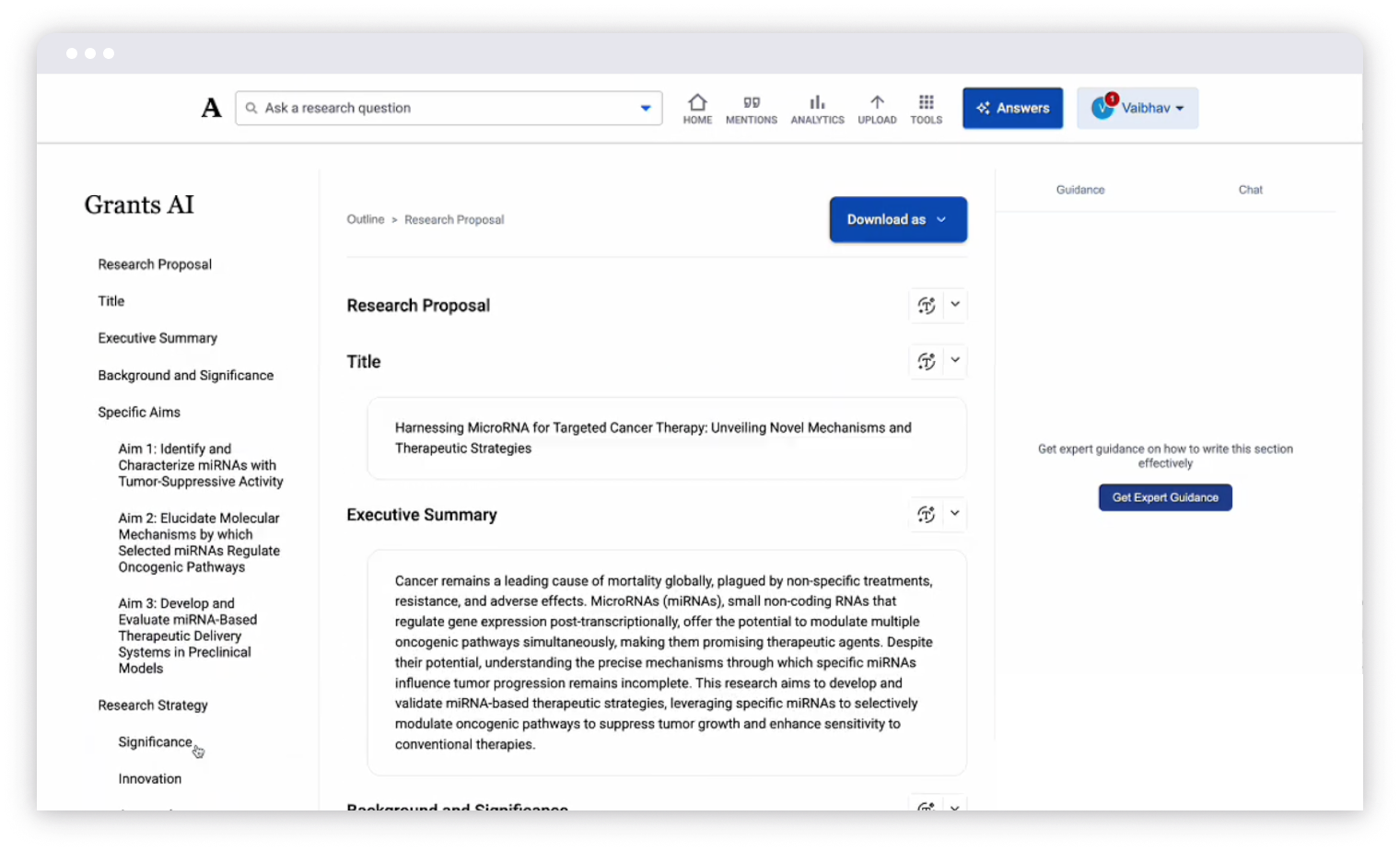
Original writer page in proof of concept
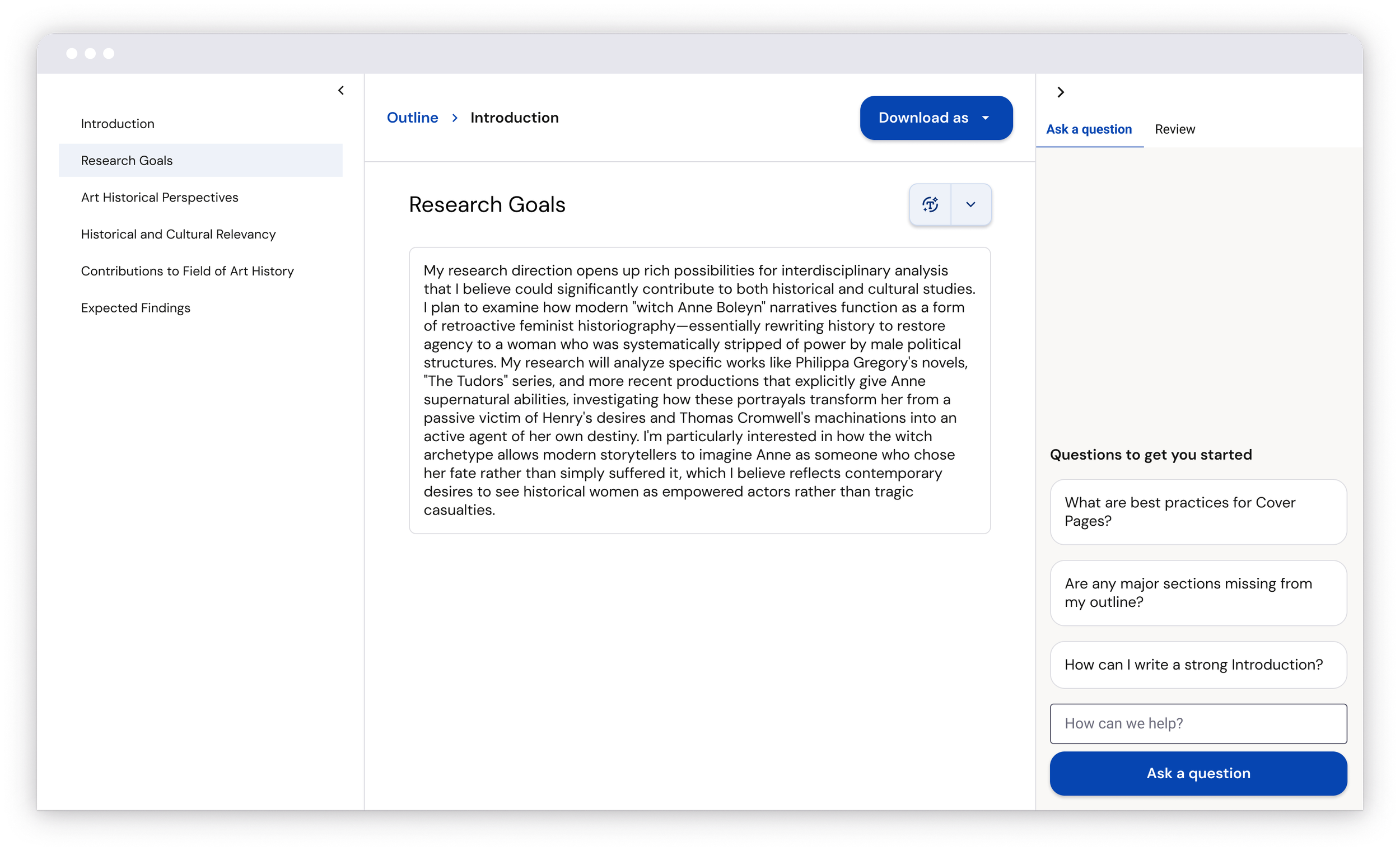
Proposal Writer MVP
Beta tester pool
The beta testing period lasted 1 quarter. Our goal was to determine if we had product-market fit with our MVP.
We had 326 U.S. users during our public beta

Our first 50 users were invited and had white-glove onboarding via live demos.

Once we added a marketing landing page and self-serve onboarding flow, we opened access to a small percentage of Academia’s US users. This resulted in 116 new users.


Then, we expanded access to more US users. We gained another 160 users.
Finding product-market fit
We used qualitative and quantitative research to assess the product-market fit of the Grants tool MVP.
NPS survey
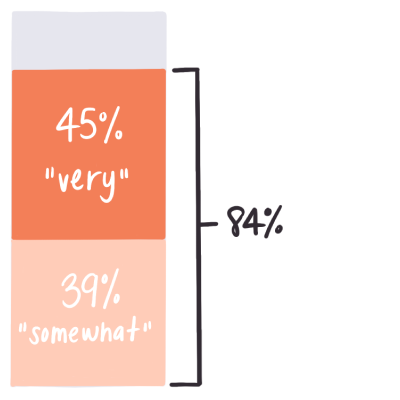
When surveyed, 84% of beta users said they would be very disappointed or somewhat disappointed if the tool did not exist.
Opportunity finder engagement
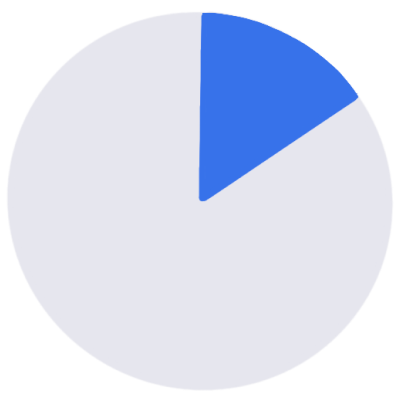
The weekly email that delivered new grant matches saw strong engagement with a 14.2% CTR.

Quality of proposal content
The content generated for new proposals was rated 4 or 5 stars by 93% of users, suggesting strong alignment with user expectations and needs.
Proposal writer engagement
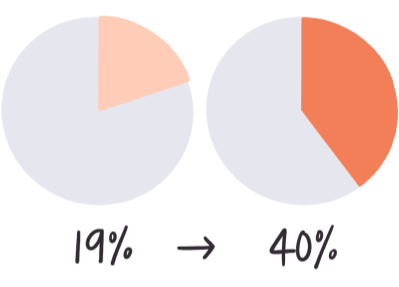
During the beta timeframe, we saw the percentage of users generating 2+ sections rise from 19% to 40%.
What happened next
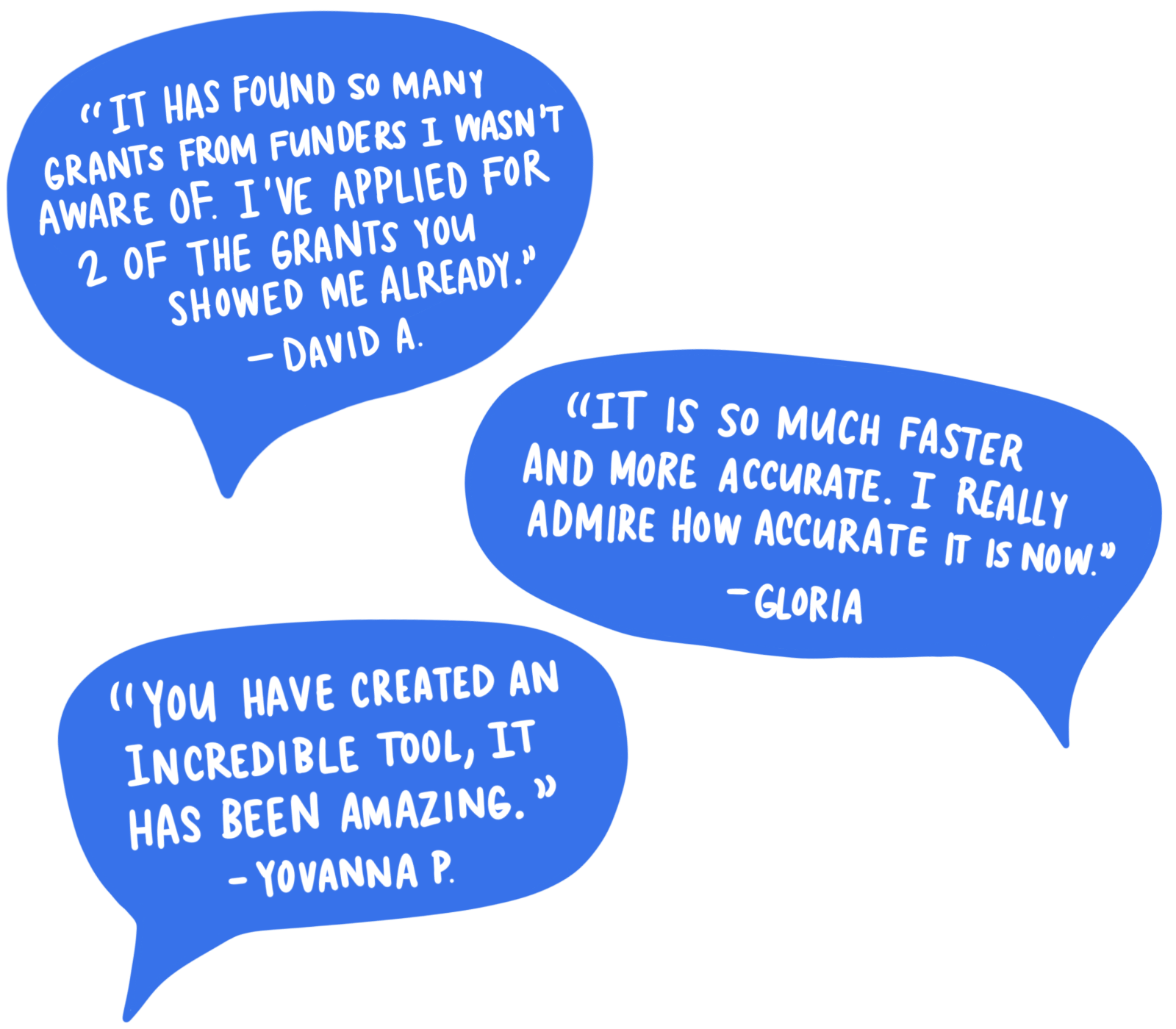
At the end of the quarter, the status of the Grants tool was evaluated based on our beta learnings.
The Grants tool MVP successfully demonstrated that our user base was interested in an AI-powered Grant discovery experience.
The team was greenlit to continue work on Grants; additional resources were added. Areas of focus for the following quarter were:
Expanding our grant sources and further improving match relevancy
Focusing on user acquisition and monetization testing